

Showing posts with label Underwater Fish Photography. Show all posts
Showing posts with label Underwater Fish Photography. Show all posts
Monday, June 16, 2025
Introducing Our Curated Collection of High-Quality, Royalty-Free Images


Tuesday, December 28, 2021
What Makes A Captivating Image?
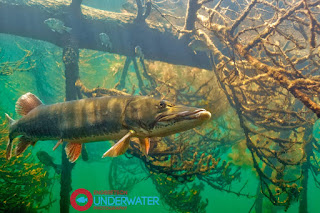
Imagine you’ve invited some friends over for dinner. You spend all afternoon preparing and cooking a well-planned meal. After your guests finish eating, they enthusiastically proclaim it be one of the best meals they’ve ever eaten. Then they ask “What kind of stove did you use?” In this context, it would be a nonsensical question that no one would ever ask. But as a photographer, I’m very frequently asked what kind of camera I use when well-meaning admirers view my underwater images.
The implication is that all the magic happens inside the
camera, and the photographer is merely the lever puller who simply manipulates
the marvelous technology that’s really responsible for creating the magical
images. To ask photographers what kind
of camera equipment they use is as meaningless as asking a chef what kind of
stove he uses. The question usually
comes from novice photographers who are looking for a shortcut to propel their
own photography to a higher level. It may seem like an innocent and not
irrelevant question, but it fails to identify the secret that’s the real
foundation of stunning images.
Thirty years ago when I first began taking underwater
pictures, I was consumed by the same quest. If I could just find a great
underwater camera, I’d be able to take pictures for National Geographic just
like the pros did. Every few years I would buy a better camera, a faster lens
or a more durable housing. While that
did make a difference in the quality of the pictures I took, something was
missing that took me years to detect. In my case, with underwater photography,
I had some of the best equipment I could afford, but what was lacking was
sufficient knowledge of my subjects.
This wasn’t something I was aware of decades ago. Instead, it
was a shortcoming that has only revealed itself in retrospect. Over time, as I
learned more about the lives of the fish I was photographing, my images of them
became more appealing and more penetrating. I began to study their behavior and
their body language and I began to notice how my own body language, movements, and
behavior affected them. In time, a kind of communication developed. I became
able to recognize subtle cues from timid fish and learned how to approach them
in non-threatening ways. I also learned how to send out my own signals which
fish could decipher that would put them at ease.
My office bookshelves that were once filled with
photography books began to be populated with books about fish and fish biology.
As I learned more and more about my subjects, not only did my appreciation and
knowledge for them grow, but my photography of them improved dramatically.
Reading about fish was invaluable, but my real education
came from the fish themselves. As I spent more and more time underwater
observing and interacting with them, they divulged more and more about
themselves. Over time and one by one, all their habits, routines, and
individualities that weren’t discussed in fish books were revealed like a
cascade of unmasked secrets. I make no apologies for anthropomorphizing fish
when I talk about their personalities. When you’ve spent as much time with them
in their underwater habitats as I have, these conclusions feel not only
justified but undeniable.
Today, when young photographers ask me what kind of camera I
use, I ignore the question entirely and instead encourage them to learn all
they can about their subjects. In all
areas of wildlife photography, if you fall in love with your subjects and let
them teach you, it will be impossible for your images to not mirror that love and
appreciation. And I think that single element, one that admittedly can’t be
quantified precisely, is what makes a captivating image.
Tuesday, November 23, 2021
2022 Underwater Fish Calendar from Engbretson Underwater Photography
Looking for a cool wall calendar for 2022? Check out the 2022 Fishing Calendar from the Koozie Group featuring 13 underwater images from the Engbretson Underwater Photography team. Bass, salmon, walleye, trout, panfish, and others are all represented in vibrant color expertly photographed underwater in their natural habitats.
Click here to order from Amazon.com Only $7.98!


Wednesday, April 21, 2021
Making Fish Look Their Very Best

I once read an article about how fashion photographers for Vogue and Cosmo never shoot a super-model from below unless she has a terrific jaw-line. It occurred to me that fish, with their gills, all have great jaw-lines, so I began getting below eye-level and photographing them from below. The results were so breathtakingly stunning that I began to try to compose every fish picture this way. Over time, it's become a distinct hallmark of my work. I'm convinced that it's the best angle to photograph fish underwater.
I think it's incumbent on all wildlife photographers to portray their subjects with as much style and beauty as possible. This is easy to do with cuddly puppies and furry baby seals, but with reptiles, amphibians and even fish, we often have to work hard to convey their inherent beauty to our audience. People will always care more about pretty things than ugly ones. That's just human nature.
As a fish photographer, I feel a responsibility to my subjects to try to portray their magnificence in every picture I make. Because of this, I usually won't shoot fish with split fins, scars, injuries or other physical deficiencies. Instead, I look for fish that are healthy and vibrant. I want the best ambassadors of each species to represent the entire population. If I want viewers to care about fish the way I do, I have to make it as easy as possible for them to appreciate and embrace these finned marvels.
2021 will be the start of my 28th year of photographing native North American freshwater fish underwater in their natural habitat. I can't wait to get back in the water with my super-models!
Wednesday, March 17, 2021
What we Can Learn From Fish When We Spend Time With Them:

Do fish have individual personalities? I'm often asked this question and I have some definite thoughts about it. For me, the answer is unequivocally yes. I’ve been photographing fish underwater in their natural habitat for over 25 years. In that time, there are long stretches when I’ve worked with the same individual fish for years at a time. I think most would agree that just like the personality distinctions one could make between say poodles and collies, distinctions between different types of fish certainly exist. Northern pike have different personality traits than largemouth bass and bluegills. Each species possess their own “group personality identity”. But I would also suggest that it goes further than that. Individual fish behave differently from their cohorts and exhibit what can only be regarded as unique personalities with as much depth and richness as those of our own pets.
Epiphanies about fish like this one can easily escape the casual observer and are only possible when one spends an extended amount of time observing and interacting with them. But because fish live in a world separate from ours, it’s difficult to do this in the same way birdwatchers can for example. To observe fish in their natural habitat, we have to go under the surface with masks & snorkels or diving equipment.
On warm summer days, our lakes are filled with swimmers and boaters, but they’re largely unaware of the diversity of life that swims just below them. We’re deaf to a grand symphony in concert under the surface. In recent years kayaking has become a very popular way to enjoy our waters. I’d love to see snorkeling gain that same kind of popularity in our inland lakes and become something you do every weekend, and not just when you’re in Hawaii on vacation.
I’d encourage anyone interested in animals, and especially those interested in fish specifically to explore snorkeling as a way to observe and enjoy fish. They’re so fascinating to watch and there’s much we can learn about them.
Thursday, October 29, 2020
Photographing Native Fish in Freshwater Lakes: Overcoming the Obstacles
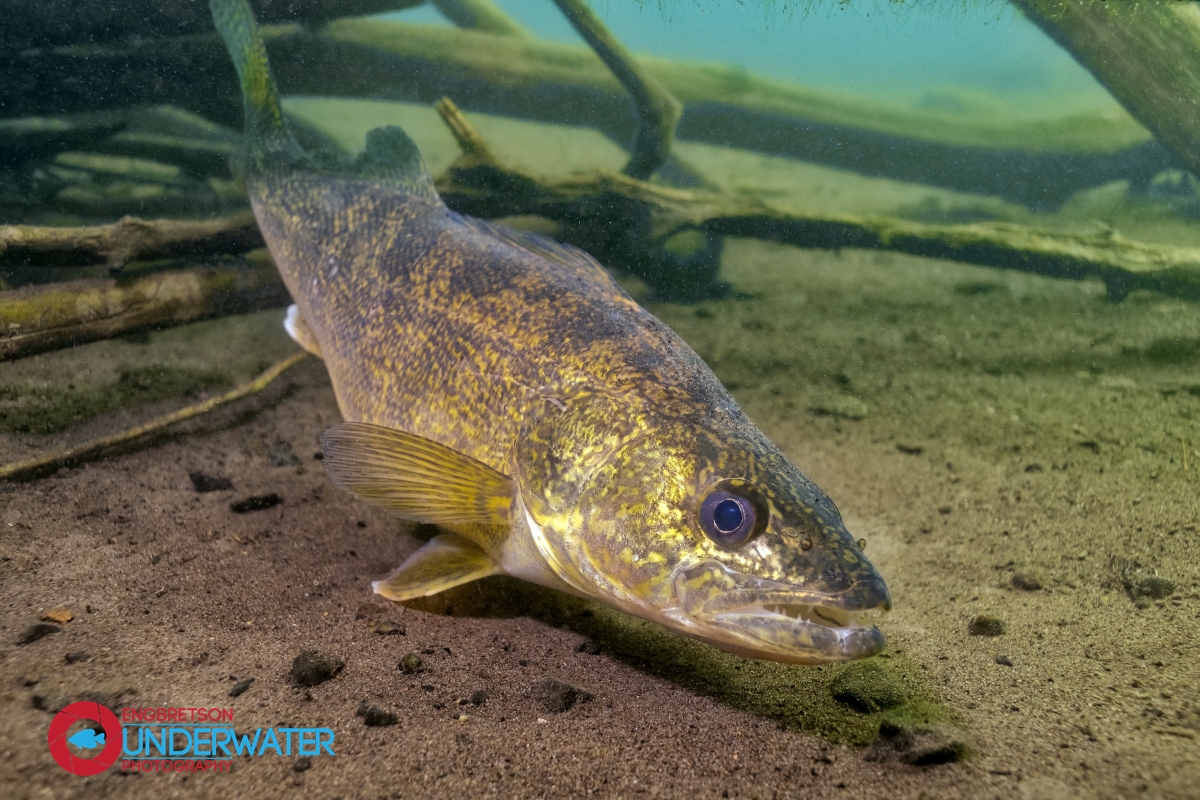
I'm often asked what the biggest challenge is to taking underwater fish pictures. Well, there are quite a few obstacles and many things that have to be right to be able to get a good picture. First, the water has to be clear, which is actually a greater challenge than you might think. Freshwater lakes are typically pretty crummy so finding lakes that have the necessary clarity is an ongoing process. I usually won't even look at a lake if the clarity isn't at least 18 feet. Water clarity can change from week to week and season to season too, so even though I have my favorite lakes, they’re not always clear enough to work in. Everything starts with water clarity and if you don’t have that, nothing else matters. It’s always a challenge to find clear water.
Once I find a clear lake, I have to find fish. Next I have to find fish of desirable size. This is easier said than done too. It's always a problem especially these days when it seems like there’s fewer and fewer really nice fish available. If I do find a lake that’s clear and it does have a few good fish, another challenge is getting close enough to photograph them. I like to be 2 or 3 feet away. Any further and I won’t take a picture at all. Fish often times have a problem with a diver being that close, so it takes a lot of patience to even get close enough to think about composing a picture. But once I have clear water, good fish, and get close enough to shoot them, I still have to make the shot. So even if everything else is right, sometimes I blow it all on the final step because I was moving, or the composition is bad or I forgot to turn on the strobe, etc.….
A lot goes wrong. Sometimes I feel like it’s truly a miracle to get any good pictures at all because so many things that I can’t control have to be right all at the same time.
Conditions underwater are typically very hostile to a photographer. The lakes and rivers where I shoot can be very cold. In rivers, currents can be strong, and visibility is always an issue. Underwater photography is inherently tricky. Water is 800 times thicker than air, and there's always particles floating around or algae and things like that, so you've never going to get the really "clean" look you can get shooting through air. The water is often cold, the fish can be elusive, and you've got to always be concerned about your air supply, so there's a lot to think about. The light underwater is very poor too, so often I have to carry underwater strobes to illuminate subjects in deeper water. If you can imagine taking photos on a dark, cold, foggy, windy day… that sort of comes close to the everyday conditions of the environment I work in. Saltwater environments are infinitely easier. The water’s 100 times clearer, there’s 100 times more light, and ocean fish are used to seeing very large things swimming around them. In freshwater, you look like Godzilla to those poor fish.
So, yes-the challenges are many, but as I always say, "If it was easy, everyone would be doing this".
Saturday, June 20, 2020
What's the Easiest Fish to Photograph Underwater?
 |
| Smallmouth Bass Underwater (c)Eric Engbretson |
I received an email the other day from someone who asked me
what I thought was the easiest fish to photograph. Well, none of them are that
easy to photograph well, but if I had to pick one that gave me the least
trouble, it would be smallmouth bass. The reason for that is they have a unique
inherent curiosity and sociable nature. They’re not by nature a timid fish so
they'll eagerly come around you. I think they've learned that divers stir up
food items. They’ve kind of put that together. So when you get in the water,
you’ll get them following you around after a while. It’s not unusual at the end
of a dive to have 15 or 20 smallmouth bass in a parade, following you.
If a smaller one comes too close to you the larger ones will
chase them away so they can have exclusive access. Because they are so friendly
and easy to approach, you can blow all the bubbles you want to or spend crazy
amounts of time fooling around with different camera adjustments or lighting
angles without worrying about them being scared off.
So, what's the most difficult fish to photograph? I think it's the carp. They are so aware. They have excellent vision and hearing. They can see you so far
away in clear water and if you make any slight noise, they're gone. Even if you don’t blow a bubble
but you take a breath, it makes a tiny whooshing noise. It’s such a tiny sound,
but they hear that and they react. You have to be so still and so quiet.
What I
do with carp is I pick a spot where I know they’re milling about and I get behind
a rock and hide and hopefully one will cruise by. If they see you it’s over. They’re
really smart and are really sensitive to the bubbles of divers. That's why they give me so much trouble. But they're not the only species that are bothered by bubbles. Crappie, yellow perch, trout, catfish, sturgeon are some others. They’re all hard to get close enough to to get great pictures. To be successful, you need patience, and frankly a lot of times luck.
Sunday, January 19, 2020
Getting Close to Fish: How's That Done Exactly?

How Do You Get So Close to The Fish? Why Don't They Spook?
That's a question I get asked frequently by many people. To photograph fish well underwater, it's necessary to get very close to them. So how do I do that? One thing I've done is to develop a series of techniques that communicate to the fish my lack of hostility, and my general inability to compete with them as creatures perfectly designed for life underwater. One way I do that is to present myself as obviously as possible. I don't try to ambush or deceive them. I don't wear a camouflage wet suit. I don't sneak around or hide behind boulders or timber. I don't try to advance toward a fish when he can't see me. I don't even try to be particularly quiet.
In fact I do the opposite of all those things. I make sure the fish see me coming from a long way away. I try to show myself out in the open and demonstrate what my limitations are. Ideally, you want to convey to the fish how slow and incompetent you are in it's environment; how clumsy you are; how incredibly un-stealthy you are; This is so opposite of what a predator would do that many fish are able to detect that you're not a threat to them, based on your complete lack of cunning or covertness. You want them to see you and think that you're completely ridiculous (which you are of course). The faster you can get them to understand this, the faster their fear will disappear.
What I'm mainly trying to do with this approach is to begin a relationship with a specific fish or fishes that I expect to see many more times in the future. However, if you have one chance on one day with a fish you know you'll never see again, I'd recommend a more stealth approach.
Ordinarily though, I'm just trying to get fish used to seeing me. Over many visits to the same lake, the same fish will see me time and time again. Eventually, as bizarre and strange as my appearance may be to them, I won't be considered "an unknown scary thing" to avoid. Fish will come to regard me as that "big funny looking turtle-like thing" they sometimes encounter. Nothing to worry about. Once I can establish this kind of confidence level in the fish, they give me permission to approach closely to get the kind of pictures I want without causing them to flee.
As many who work regularly with wildlife will tell you, it's all about body language. It's the way animals communicate with each other and the only way for inter-species dialogue to occur. Learning how to eliminate unintentional signals of hostility or threats to animals is something we can learn to do and employ effectively in our encounters with them.
Friday, December 27, 2019
Best Fish Photographers to Follow on Instagram

If you're like me and enjoy seeing the work of some of the world's best underwater fish photographers, here are five Instagram accounts you need to follow in 2020. All five of these photographers work in freshwater environments and their talent is truly exceptional. They continually awe and inspire me and just seeing their pictures make me want to grab my mask and wet-suit and head to the nearest lake. I think you'll agree that their work is simply breathtaking. While freshwater underwater photographers never get the recognition that marine photographers get, I hope you'll support these brilliant individuals by following them on Instagram.
- Dr. Paul Vecsei has a M.Sc. in ichthyology and a Ph.D. in fisheries and his underwater photos of cold water fish are exceptional. His pictures of Lake Whitefish, lake trout and cisco are without a doubt the finest images ever made of these species in their natural habitat.
- Isaac Szabo is a very talented and patient shooter who beautifully photographs native fish and other aquatic life of the Ozarks region and the springs of Florida.
- Jennifer Idol is the first woman to dive all 50 states and is the author of An American Immersion. As an underwater conservation photographer, her pictures and articles are widely published.
- Dr. Sean Landsman, PhD is a professional fisheries scientist who has beautifully captured many difficult-to-photograph coastal species like American Eel, Alewife, Eastern Brook Trout and Rainbow Smelt.
- Patrick Clayton is the USA's premier photographer of wild trout from the streams of the American West.
- Finally, here’s my own Instagram account. Evidence that I can occasionally take a picture that's actually in focus.
Thursday, November 14, 2019
Swimming With Muskies
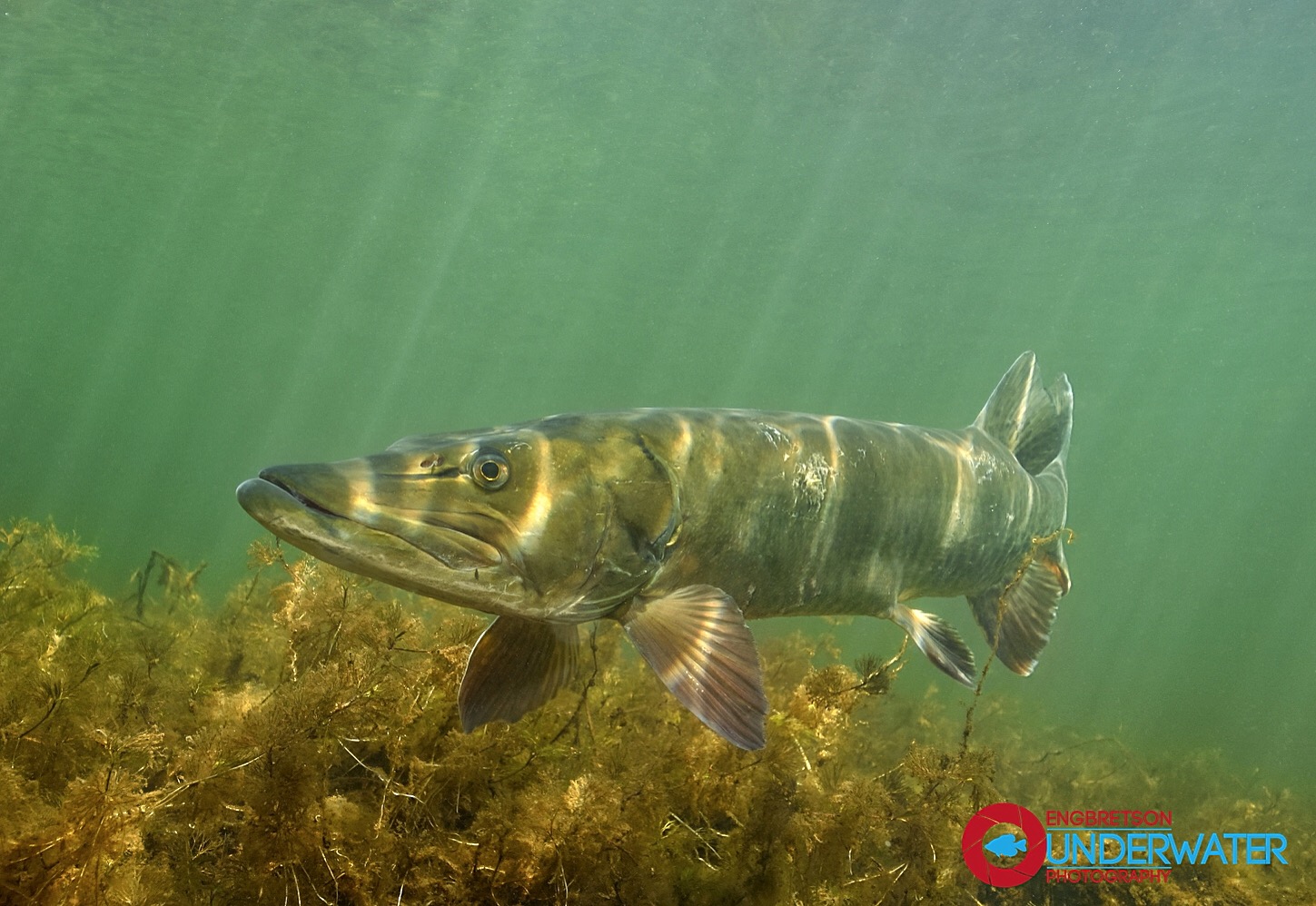
I’m very lucky that I just happen to live in an area that’s
home to some of the most legendary muskie lakes in the country. Over the years,
I’ve had a chance to swim in some of these famed waters and encounter muskies
up close in their own environment. There’s nothing quite like seeing a large
muskie underwater. They glide effortlessly through the water with the supreme
confidence reserved for members at the top of their food chain. Because of
this, they’re not afraid of divers and I’m able to approach them usually fairly
easily. They are surely aware of all the other fish and animals that populate
their world and because divers are an anomaly, they will routinely approach me
with what I can only characterize as curiosity. They often make a complete
circle around me as if to inspect this ‘strange creature” from every angle.
They also display keen awareness. When I enter a lake, I don’t have to search
for the muskies. I’ve discovered that if I’m patient, they will find me. Drawn,
I’m sure by acute imperceptible sensory abilities and also probably just by the
noise of my air bubbles too.
One of the attributes of water is that when viewed through a
prism of air, objects appear to be larger than they really are. So when I’m underwater looking through my
diver’s mask, a 45-inch musky appears to me to be a 60-inch fish! Fish and anything else viewed underwater are
only ¾ of their actual size. Fisherman
often ask me how big the fish are that I see.
I do my best to adjust for the optics of underwater viewing, but the
fact is, I just don’t know. Fish look
really big underwater, and big fish look positively huge when viewed
underwater. For the first few years, I
got really excited whenever I saw muskies.
“Wow! That’s got to be a world
record!” I would say to myself. But over
the years, I’ve come to better understand this illusion and now I don’t pee my
wetsuit quite as often when I see what looks like Moby Dick. What this means sadly, is that all those
reports you hear of 6 foot long monsters swimming next to the boat, or huge
fish that got off before they could be netted are really just ordinary sized
muskies. Some may argue that the fish
lined up exactly with something on the boat that’s of known size and therefore,
that’s evidence that the fish was really a whopper. This of course is nonsense. Since you would
still be viewing the fish in water through a space of air, the magnification
illusion is still in play. Your boat is
a poor yardstick since it’s in air, and the fish is underwater.
I remember a particular encounter one spring a few years
ago. I was taking pictures in Lake Tomahawk in Vilas County Wisconsin. I came across 2 muskies engaged in spawning
activity. It was a very dark rainy morning.
The light was terrible and I wasn’t able to get any pictures, but the fish I
saw that day was truly impressive. The size of the spawning male was not
remarkable. In fact, he was simply
dwarfed by the female he was swimming with.
She was a real beauty. She was
enormous, and had a girth like those big watermelons that win ribbons at the county
fair. She swam along side of me and I
took a good long look. I’m five foot,
eight inches tall, and the fish lined up next to me was longer than I was! Was this a 6-foot long muskie? I did the
quick arithmetic: Since it appeared to be 70 inches or more, its real and
actual size would have been a little over 50 inches. Possibly 52 inches. While not a world record,
she was still a spectacular fish in anyone’s book.
Monday, October 21, 2019
Mastering the Close-Up Fish Portrait: How It's Done

The number one mistake novice underwater photographers make is failing to get close enough to their subjects. Since freshwater fish are relatively small, you have to get extremely close to them for striking, frame-filling pictures. On the other hand, this isn’t as difficult as it may seem.
Once you see a fish, you need to make a quick assessment of its potential for your photographs. If it’s swimming away, let it go. Swimming after a fish is futile and results only in pictures of tails, not the stunning full-body portraits that you’re really trying to make. You’ll want instead to concentrate on fish that are not in motion. These are the easiest fish to photograph.
Once you see a fish nearby, the first thing to do is to freeze and let the fish come to you. If you remain motionless and quiet, many fish are curious enough to swim right up to you for further investigation. Any sudden movements will cause them to swim away quickly. Remain still and allow the fish to become accustomed to your presence. After a few minutes, if the fish doesn’t approach you further, and it doesn’t swim off, move in closer. Do this slowly and only a few inches at a time, pausing with each new advance.
Always try to approach fish mainly from the front. Let the fish see you. Because this approach is an unnatural tactic for a predator, the fish will more likely regard you as non-threatening if you behave like this in a slow and deliberate manner. As you move in closer and closer, stop to take a few pictures. Continue to move closer while carefully watching the fish. At some point, you will go beyond the fish’s zone of acceptable comfort. This is when the fish will retreat because you’ve gotten too close. But if you move slowly, studying the fish as you approach, you’ll see early signals from the fish that you’re getting too near. It may begin to get nervous, to turn, or move slowly away. This is where you stop. This is as close as you’re going to get to this particular fish at this time. This is where you take your close-up pictures.
If you’re doing it right, you should be only one to three feet away. Your pictures at this distance will be amazing, especially in very clear water on a bright sunny day! It’s important to keep in mind that fish vary from lake to lake and species to species. Don’t be disappointed if you don’t get near enough for that breath- taking close-up every time you shoot. There will be other opportunities. With time and patience, you’ll enhance your skills at this method. With experience, you’ll get within arm’s length of most fish most of the time.
If you have a question or comment about photographing fish in freshwater environments, you can contact me at eric@underwaterfishphotos.com
Saturday, September 28, 2019
Working with Fish Models: The Best Angle To Photograph Fish

Recently, a friend of mine commented on my photography: "I can always spot your fish images when I see them in magazines...", he said. "It's because you always show the fish from below". I haven't thought about that for a long time, but he's right.
When I first began taking portraits of fish underwater, I was almost always hovering above the fish looking down on them. It was just more convenient for me to shoot pictures that way. The images were Ok, but this angle tended to give them a flat and uninteresting look. It also made them somehow insignificant or easily dismissible. Every beginners book on photography points out that pets and children will always look awful when photographed from above and that you should try to shoot them at eye-level. I began trying this underwater with fish and noticed the immediate improvement in my images.
Later, I was reading about Vogue and Cosmo photographers and how the pros never shoot a super-model from below unless she has a terrific jaw-line. It occurred to me that fish, with their gills, all had great jaw-lines, so I began getting below eye-level and photographing them from below. The results were so breathtakingly stunning that I began to try to compose every fish picture this way. Over time, it's become a distinct hallmark of my work. I'm convinced that it's the best angle to photograph fish underwater.
I think it's incumbent on all wildlife photographers to portray their subjects with as much style and beauty as possible. This is easy to do with cuddly puppies and furry baby seals, but with reptiles, amphibians and even fish, we often have to work hard to convey their inherent beauty to our audience. People will always care more about pretty things than ugly ones. That's just human nature.
As a fish photographer, I feel a responsibility to my subjects to try to portray their magnificence in every picture I make. Because of this, I usually won't shoot fish with split fins, scars, injuries or other physical deficiencies. Instead I look for fish that are healthy and vibrant. I want the best ambassadors of each species to represent the entire population. If I want viewers to care about fish the way I do, I have to make it as easy as possible for them to appreciate and embrace these finned marvels.
Friday, June 28, 2019
The Best Thing About Being An Underwater Photographer

What's it like to be a professional underwater photographer? It’s like every day is Saturday!
The early days were tough. I began taking pictures professionally
in 1993. I was disillusioned with my previous
occupation (radio broadcasting) and was looking for some kind of business where I could set my own hours and be my own boss. I had no training or education in photography
whatsoever and knew nothing about the business aspects of shooting, selling
and marketing stock images. But I had a
passion for my subject matter that made up for my lack of
experience and knowledge. I loved fish, and I just wanted to show
people images of common freshwater fish that perhaps they’d never seen
before. Seeing underwater Images of freshwater fish in their natural habitat
were almost as rare then as they continue to be today. I was motivated by three things: 1) I wanted to create a self-sustaining
income that would replace my regular 9-5 hamster wheel job, 2) I knew it had to
something that I enjoyed, had fun with, and would never regard as work, and 3)
I wanted to generate in others the same kind of awe and appreciation I had for
fish, and I thought that through photos I might be able to do that.
During those humble early years, it was difficult to even find a mentor. There
were many underwater photographers, but none who worked in freshwater with the
subjects I was interested in. One guy
who did a little of the kind of photography I wanted to do was Doug Stamm. He became a role model to me because of the way he was able to sell and market so many of his images to the same venues that I would
later work for. I remember going to the
magazine stand and counting the number of covers and inside pictures he was
selling in any given month and being astounded. One of my goals then was to generate an income I
could live from, so seeing what Doug was doing gave me hope that it
was indeed possible.
I’ve gotten so much help over the years. I can’t begin to tell you about all the different
individuals who have made it all possible.
From fisheries biologists who share information with me about lakes and
fish behavior to lake-front property owners who grant me access to their lakes
and suggest specific places to check out. There’s been family members who gave
me financial support in the early years that made it possible for me to spend
time shooting instead of “working”.
There’s literally been hundreds of people who certainly share a part in my success.
But not every association was useful. Because of the uniqueness of what I was doing, it was difficult to find a group of people to
relate to. I dive underwater to photograph fish, but I’ve found I have little in common with either photographers or divers. The photography people just
wanted to talk about cameras. The scuba diving people just wanted to talk about dive computers or dive vacations. Nobody wanted to talk about fish. I felt very alone until I began meeting professional fisheries biologists. Those were the friendships that were naturally harmonious. I'd finally found a group of people, who like me, could talk about fish all day long.
I'm often asked what advice I have for aspiring underwater photographers. I think today it's very difficult to make a living in this field. The
saltwater environments are really saturated with photographers, many of whom
have the world’s best locations in their back yards. It would be extremely difficult to compete
with them. They actually live in the
same places that others spend thousands of dollars and travel thousands of
miles to get to. How can you possibly
compete with someone who has access to places like that 51 weeks of the year
more than you do? Freshwater however, is a different situation altogether.
Freshwater material is an area nobody is covering, so there is no competition. On the down side, the demand for freshwater
images isn’t as great either. I’m hoping
to draw more awareness to freshwater environments so that more people will become aware of the importance of these ecosystems.
I think there’s always room for more good photographers, and
I think interest in underwater subjects will continue. I encourage beginners to learn about their
subjects. Become an expert on the life
and behavior of your animal subjects.
Become a steward of their habitat.
Think of yourself as a PR person for that particular animal. If you do this, you’ll show them in the best
light, you’ll be mindful of disturbing them, and your work will automatically
show these creatures at their most magnificent.
Don’t sell pictures. Instead,
fall in love with your subjects and sell
that love! And instead of exploiting
them for personal profit, you’ll become partners with them in calling attention
to their inherent beauty and value in the ecosystem, and the special problems
each one of them face in an increasingly crowded world. You
know, the freshwater world has never had an ambassador in the same way the
oceans had Jacques Cousteau. Perhaps,
all of us who spend time in lakes can collectively be some sort of equivalent
to that. At least that's my dream.
Speaking of dreams- I often refer to the small group of freshwater photographers that my stock photo agency represents as the “dream team”. I look for people who have a genuine
interest in freshwater subjects.
They’re not as glamorous and sexy as whales, dolphins and sharks, so
very few people are attracted to them. I
look for people who can competently take a picture and get it technically
right. And I look for people who
are going to be shooting freshwater with some regularity and frequency. Anybody can get a picture here or there, but
I want someone who’s going to be generating new material often. That essentially means someone who's spending a
whole lot of time in freshwater.
I see how miserable many people are at their
daily jobs, and I still remember what it was like to live that way. I’m thankful and appreciative for what I have
and the niche I’ve carved out. I guess
my only goals are to be able to get up tomorrow morning and do the same thing
all over again. For people lucky enough
to have a career that brings them genuine joy, it’s indescribable. You’d do it for free because you’re so
passionate about it. It’s like being on
vacation every day. When there’s no
distinction between work and play, you know you’re there. What more could anyone want?
Tuesday, March 26, 2019
How To Photograph Timid Fish Underwater

In freshwater environments, photographing timid fish can be
an exercise in frustration. After nearly 30 years of working with subjects
underwater, I’ve learned a couple of things that might help you get closer to
fish and get better images.
Since freshwater fish are relatively small, you have to get
extremely close to them for striking, frame-filling pictures. On the other
hand, this isn’t as difficult as it may seem. Once you see a fish, you need to
make a quick assessment of its potential for your photographs. If it’s swimming
away, let it go. Swimming after a fish is futile and results only in pictures
of tails, not the stunning full-body portraits that you’re really trying to
make. You’ll want instead to concentrate on fish that are not in motion. These
are the easiest fish to photograph. Once you see a fish nearby, the first thing
to do is to freeze and let the fish come to you. If you remain motionless and
quiet, many fish are curious enough to swim right up to you for further
investigation. Any sudden movements will cause them to swim away quickly.
Remain still and allow the fish to become accustomed to your
presence. After a few minutes, if the fish doesn’t approach you, and it doesn’t
swim off, move in closer. Do this slowly and only a few inches at a time,
pausing with each new advance. Always try to approach fish mainly from the
front. Let the fish see you. Because this approach is an unnatural tactic for a
predator, the fish will more likely regard you as non-threatening if you behave
like this in a slow and deliberate manner. As you move in closer and closer,
stop to take a few pictures. Continue to move closer while carefully watching
the fish. At some point, you will go beyond the fish’s zone of acceptable
comfort. This is when the fish will retreat because you’ve gotten too close.
But if you move slowly, studying the fish as you approach, you’ll see the early
signs from the fish that you’re getting too near. It may begin to get nervous, to
turn, or move slowly away. This is where you stop. This is as close as you’re
going to get to this particular fish at this time. This is where you take your
close-up pictures. If you’re doing it right, you should be only one to three
feet away. Your pictures at this distance will be amazing, especially in very
clear water on a bright sunny day!
It’s important to keep in mind that fish vary from lake to
lake and species to species. If fish in a particular lake refuse to let you
approach closely, go to another lake. There are just some places where fish don’t
see many divers, snorkelers or swimmers.
In waters like these, they tend to be more apprehensive. On other lakes,
where fish see people with more regularity, they’re less frightened by our presence.
One technique I often
employ is called the “swim by”. That’s where you make one pass near a group of
fish at a distance. Your objective here is simply to be seen. You swim by not
approaching them or barely even paying them any attention. This gives them an
opportunity to see and evaluate you.
Later you can return to this group. They’ll be less alarmed because they’ve
seen you before and their prior experience with you wasn’t regarded as hostile. The “swim by” helps to build some confidence
in timid fish.
Don’t be disappointed if you don’t get near enough for that
breath- taking close-up every time you shoot. There will be other
opportunities. With time and patience, you’ll enhance your skills at this
method. With experience, you’ll get within arm’s length of most fish most of
the time.
Sunday, January 27, 2019
Working with Fish Models

When photographing fish underwater, the trick is to get as close you can and shoot through as little water as possible. In freshwater environments, even the clearest water has a lot of suspended material in it that will degrade picture fidelity, so getting close is paramount. This smallmouth bass was only a foot away from a camera equipped with a wide angle lens. The wider lenses are necessary so that the entire fish and some of the scene can be included in the frame. Some fill-flash from strobe lighting is added to bring out the color and fill in shadowy areas. Even on bright sunny days, ambient light underwater quickly degrades after only a few feet under the surface so supplemental lighting is always helpful.
Smallmouth bass make excellent subjects because they tend to be very friendly and curious fish and will easily approach a diver with a camera. This is an older fish that I've worked with before as a photo model. He (or she) has somewhat of a back hump which makes him (or her) easily recognizable. I photographed this fish against a background of northern watermilfoil. Anytime you're able to include a nice background like this curtain of plants, it helps make the picture more interesting and gives the viewer a sense of the underwater habitat where these fish live.
I'm sometimes able to enlist the the same fish as a model if I've been able to establish a relationship with them. This can occur only after many repeated encounters and a certain level of comfort develops. While fish may never understand what we are, they know we’re not the otters they see who move with great speed and agility and should be feared. We’re probably regarded more like the way they view snapping turtles. We're large, plodding creatures with no real underwater skills who aren’t a threat unless we get very close.
Over time, the fish begin to notice that as we clumsily move through the water, we create a disturbance. Unseen insects and other invertebrates that are hiding on plants or on the lake floor may be exposed or displaced and to the fish, they magically appear for them to eat. Maybe a crayfish is suddenly seen fleeing and again a food item is summoned out of nowhere. They may begin to view us as sorcerers who can conjure up food items by our mere presence. If they arrive at this conclusion, the entire dynamic between fish and us changes. We become viewed as a waiter or sorts. Instead of fearing us, we instead become something that should be paid attention to and even followed around so they’re able to snap up any treats that we may cause to appear.
Wednesday, November 28, 2018
Special Underwater Friendships
 |
| Steve, the Smallmouth Bass. His image has appeared dozens of times over the years in many magazines. He's likely the single most famous fish in Wisconsin. |
Occasionally
I’m interviewed about my underwater photography and experiences I’ve had
photographing fish in freshwater environments. In today’s post, I’d like to share
a portion of a recent interview I did that I think you’ll enjoy.
Question: When did
you first start interacting with fresh water fishes and why? What drew you to
them?
Answer: I’ve
told this story many times. I’ve loved
fish for as long as I can remember.
Growing up, my father had many aquariums in the house. As a child, I remember staring into them for
hours watching the tropical fish and imagining what it would be like to be in
the tanks with them. Later, I became an avid fisherman-and what fisherman
doesn't wonder what it all "looks like down there". In 1990 I moved to a home on a small lake in
northern Wisconsin. Then, a few years
later came the day that changed my life.
One sunny August afternoon, I was just sitting on the deck looking at
the lake. For some reason, I noticed how
clear the water was. Whether it was an epiphany sparked by the natural
surroundings or a simple act of fate, I impulsively drove to a local chain
store and bought a cheap swim mask, snorkel and fins. The mask leaked and the
fins were too small. It was a disaster.
But once in the water I couldn’t believe the clarity and the beauty. The
underwater world was radiant. The play
of light on rocks, emerald plants, sunken trees, and glowing green algae. It
was an astounding realm of pure silence and unsurpassed visual delight. And then there were the fish. So many of them! I was finally inside that aquarium I had fantasized
about as a child. I saw more fish that
first day than I had seen all year as a fisherman. But for the first time I saw them
differently. I saw them in their realm,
relaxed and peaceful. At home.
The mask
and snorkel became my passport into a whole new world I never imagined. It wasn’t long before my fishing rods were
banished to a dusty corner in the garage and instead of looking at the new
lures at the sporting goods store, I was looking at the snorkels, the wetsuits
and the fins. These were the
accoutrements I was interested in now.
These were the tools that would best serve me in exploring this new
world. These were the instruments that
would enable me to commune with fish in a way that I previously could scarcely
imagine. I began visiting other lakes
and for me, every day became another “moon landing”-Another trip to the top of
Mount Everest. Every trip under the surface was filled with awe, wonder and
discovery. I wanted to share with others
the amazing things I was seeing. In the
following weeks a whole new purpose revealed itself to me and I started taking
pictures. I began to devote myself to
documenting fish in their natural environment.
I wanted to show others the inherent natural beauty of these fish and
the uniqueness of the freshwater environments they live in.
Question: Can
you recall or describe any very special encounters you've had?
Answer: Impossible
question for me to answer. There’s been
so many. They’ve become almost
routine. But here’s one that happened
last summer that comes to mind, because it was a new one for me. There’s a lake
I go to often where there’s a bass that I know and have been working with for
about five years. I call him Steve. Every time I go to this lake it doesn’t take
him long to find me. I think he must
hear my bubbles from the scuba gear. I
don’t know how far away he can hear me or how far he swims to reach me. Sometimes it only takes him 10 minutes….
Other times it’s an hour. Once Steve
finds me, he stays with me for however long I’m in the lake, follows me
everywhere, poses for pictures, and we’ve had lots of adventures together.
So anyway,
one day last summer, I went to Steve’s lake.
I looked for him as I always do, but he wasn’t around. I was carrying two cameras that day. My main camera for taking still photographs,
and a GoPro mounted on a rack with strobes.
While it’s no problem to swim around with two camera outfits, once you
start shooting, you need both your hands so you need to set one of the cameras
down. I left my main camera on the
bottom in a clear spot. You always try
to leave it where it’s completely obvious.
It’s easy to lose your bearings underwater and find the exact spot you
were at before, so you want to make it easily visible so you can find it again
when you return. So I leave my main
camera out in plain sight on the lake floor and move down the shoreline about
200 yards to another place where I’m filming video with my GoPro. I’m starting to get a little bummed out now
because it’s been more than an hour and I haven’t yet seen Steve. I always worry that a fisherman will catch
him one of these days and… well… You get the idea. (Sigh)
So after
more than an hour, I decide I’m done filming with the GoPro and now I want to
take stills with my other camera. I swim
back to the place I’ve left it. When I
arrive at the spot, I see my camera just as I left it and hovering quietly next
to it is Steve.
It was a
magical moment because while I know Steve recognizes me, it showed me that he
also knows my camera. After years of
posing in front of it, he came to know it, with its dome port and all its knobs
and buttons. He was probably swimming by
and saw it on the lake floor and recognized it.
While he didn’t know where I was, I think he knew that I set it down and
that if he waited with it I would return for it. After all, he’s witnessed me do that very
thing many times. This was an astonishing
event. I hope anyone who hears this
story is amazed. If they’re not, I need
to do a better job at explaining how utterly amazing a feat this was. It was absolutely one of the most incredible,
and revealing demonstrations of fish intelligence I’ve ever seen.
Friday, September 21, 2018
Black Bullhead Tornado-Underwater Video
After the eggs hatch, thousands of black bullhead are guarded diligently by the male parent. Predation reduces their numbers, and by fall only a handful remain. No longer under the protection of their parents, survivors from multiple nests begin to reform in large schools in shallow water, as a new year class of fish is created. At first the schools can be small, consisting only of the survivors from any given nest. But eventually, by early fall, each nest has merged with others creating giants schools that can number in the thousands.
In this unique, HD underwater video, you'll go below the surface to see black bullhead fry navigate the underwater landscape in their first year of life.
Saturday, August 25, 2018
How To Shoot Better GoPro Videos of Fish Underwater
I'm often asked for advice on ways one can improve the quality of underwater fish videos shot with GoPro cameras in freshwater. Here are my three best tips for aspiring underwater shooters. 1) Shoot in the clearest water you can find. Lakes or rivers that are cloudy or discolored will ruin image fidelity and definition. If the water isn't clear, nothing else really matters. 2) Use strobe lights to bring out colors and fill in dark shadows. 3) Don't chase the fish! Let them come right into the camera. This is a much more interesting view of them than the "tail shot" you'll always get if you chase them. Fish are naturally curious and if you're patient, you'll find that they'll swim directly into your lens on their own.
Of course, there are many other tips, but in my mind, these are three things you can start doing today that will dramatically improve your underwater videos taken of freshwater fish.
To see more of our underwater fish videos, visit our YouTube Channel.
Saturday, April 21, 2018
The Best Time of Year For Muskie Pictures
 |
| Muskellunge Underwater (c)Engbretson Underwater Photography |
Spring is the best and easiest time of year to photograph muskies. I shoot most of my musky images before Memorial Day. After spawning, they will continue to hang around in shallow water (generally 6 feet or less) along the shorelines. This is where it's warmest for them. I can approach them quite easily up until Memorial Day. Then, boat traffic and other increased human activity on the water drives them from these locations toward their typical summer haunts where you're less likely to easily find them.
How do you get so close to fish like Muskies? Don't they spook?
That's a question I get asked frequently by many people. To photograph fish well underwater, it's necessary to get very close to them. So how do I do that? One thing I've done is to develope a series of techniques that communicate to the fish my lack of hostility, and my general inability to compete with them as creatures perfectly designed for life underwater. One way I do that is to present myself as obviously as... possible. I don't try to ambush or deceive them. I don't wear a camouflage wet suit. I don't sneak around or hide behind boulders or timber. I don't try to advance toward a fish when he can't see me. I don't even try to be particularly quiet.
In fact I do the opposite of all those things. I make sure the fish see me coming from a long way away. I try to show myself out in the open and to demonstrate what my limitations are. Ideally, you want to convey to the fish how slow and incompetent you are in it's environment; how clumsy you are; how incredibly un-stealthy you are; this is so opposite of what a predator would do that many fish are able to detect that you're not a threat to them, based on your complete lack of cunning or covertness. You want them to see you and think that you're completely ridiculous (which you are of course). The faster you can get them to understand this, the faster their fear will disappear.
Thursday, March 15, 2018
Wanted: Fish Photographers
Engbretson Underwater Photography is always on the look out
for new photographers to join our team. If you take underwater pictures of North
American Native Fish, we’d like to talk to you about representing your work.

While all serious freshwater photographers are welcome, we’re especially interested in photographers who can regularly provide great underwater images of Channel Catfish and Flathead Catfish.
If you’re interested in joining our team, please contact us for more information. We’re excited to see your work.

While all serious freshwater photographers are welcome, we’re especially interested in photographers who can regularly provide great underwater images of Channel Catfish and Flathead Catfish.
If you’re interested in joining our team, please contact us for more information. We’re excited to see your work.
Subscribe to:
Posts (Atom)

 Posts
Posts


